- info@delta-biomechanics.com
- 5th Floor, Delta Health Care Chattogram Limited, 28, Mirzapul Road, Katalgonj, Panchlaish, Chittagong.

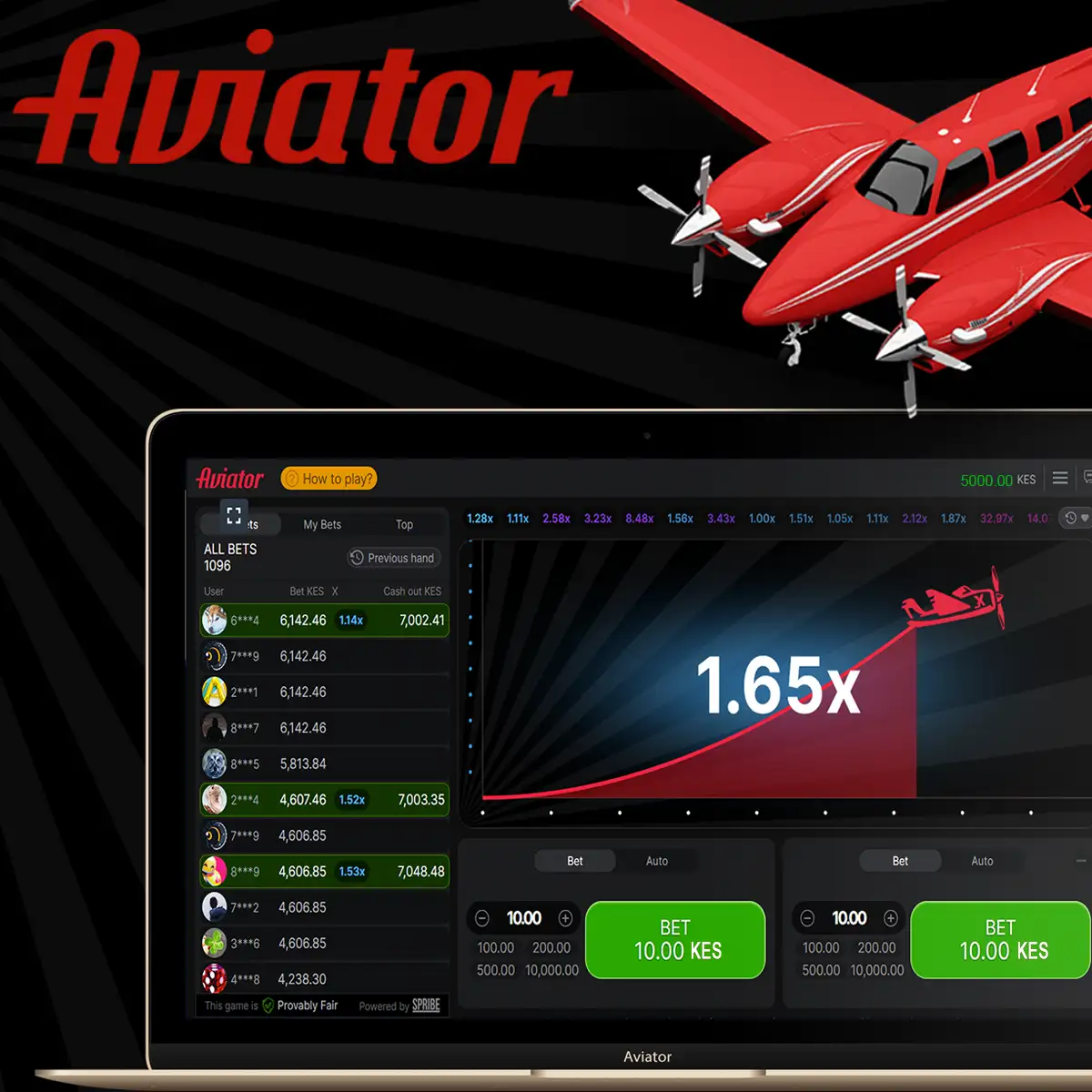
Trivia nights have grown into a fixture across Canada, a weekly ritual where pals and neighbours meet to challenge their wits. There’s usually that awkward pause, however, after answer sheets are handed in and before the next round begins. Recently, a new practice has popped up in those spaces. Folks are whipping out their phones for a speedy round of the aviator game. This is not a substitute for trivia. It’s more like a extra that holds the table lively. Let’s discuss how mixing Aviator into your trivia night can maintain the atmosphere casual, provide a alternative type of pulse-quickening moment, and function as a ideal digital pause. We’ll observe how it unfolds among people, why its uncomplicated layout performs so nicely, and what’s driving its rise from pubs in Vancouver to local halls in Toronto.
Playing Aviator in free demo mode is permitted throughout Canada. There is no real money at stake. If considering real-money play, use a site licensed by a provincial authority like Ontario’s AGCO or Loto-Québec, and ensure you are of legal age. For a friendly trivia night, the free mode is the way to go. It keeps the mood right where you want it.
As long as it’s limited to scheduled breaks, it won’t. Establish a firm rule: Aviator is played only after answer sheets are collected and before the next round begins. Make each session brief. Positioned like this, it functions as a refreshing interlude. It clears the mental palate and refocuses the group’s energy for the next set of questions.
Select a single person to handle the device. Before the flight begins, the team rapidly settles on a target multiplier. The operator adheres to the group’s choice. Alternatively, you can take turns pressing the cash-out button each round. That adds a fun layer of personal pressure, especially when someone chickens out too early.
Avoid using money to maintain simplicity and enjoyment. The loser could be tasked with providing snacks for the next event. The winner might get to choose the first category for the next trivia round. You could play for a silly trophy or just the glory of having your name on a chalkboard. The stake should be playful, not serious.
It functions excellently in an online setting. The host shares their screen showing the Aviator game during the break. People can vote on when to cash out using the chat or a quick poll. It maintains the shared visual experience and ensures remote participants remain engaged, rather than merely waiting for trivia to restart.
Plenty. You could run a lightning round of trivia on a completely random topic. A brief card game like “Spoons” is a good choice. Similarly, a group drawing game on a mobile device is suitable. The best alternatives are fast, easy for newcomers, and create a moment of collective laughter or tension, just like Aviator does.
The switching between trivia and Aviator works with two separate kinds of focus. Trivia is a gradual game. It depends on memory discussion and logic over minutes. Aviator is a flash. All the tension and release takes place in under a minute. This switch is revitalizing for the mind. It allows the analytical part of your brain to relax while the more gut-feeling part takes over. Cycling the type of engagement like this can prevent mental tiredness. The group might even keep sharper for the next trivia round because they haven’t been grinding the same mental gears all night.
Aviator’s basic appeal is a climbing multiplier that can end at any instant. This makes it a natural choice for a trivia break. A single round takes seconds, so a whole table can get a few turns in during a two-minute break. It’s a activity that knows its role and won’t hold up the show. The rules are dead straightforward: place a stake, watch the plane climb, and cash out before it flies out. Anyone gets it immediately. The real excitement is the group anticipation. Everyone stares at the same screen, holding their bated breath as the number rises, then bursts when someone clicks away. It’s a unified wave of excitement that matches the team atmosphere of the trivia event.
This combo isn’t solely for bars. Home trivia nights are an ideal place to try it. The host can create personalized questions and then switch to an Aviator round on a laptop linked to the TV. A house environment permits for inventive silly stakes. Maybe the loser has to wash the dishes or the winner selects the next movie. The informal vibe invites experimentation turning the whole evening into a bespoke hybrid of brainpower and chance.
Making this work is simple with the phones already in our pockets. Typically, one person volunteers their device. They put it in the middle of the table so the whole team can watch the multiplier curve climb. The group can call out when to cash out, or let the phone’s owner make the call. The most important step is using a legitimate site that offers a free demo mode. This allows you to play without any real money changing hands. The technology should be a tool for fun, not a distraction that pulls people into their own private screens.
Adding Aviator between rounds changes the social chemistry of the night. Trivia honors the person who knows the capital of Bhutan or the year a song charted. Aviator levels the field. It’s all luck, so everyone has the same shot. The contrast is invigorating. The table will groan together if someone cashes out too early, or cheer a risky play that pays off. It offers the group a fresh story, something to joke about for the next hour. Switching between thoughtful collaboration and this kind of unplanned, shared gamble can tighten the group and stop the energy from ever really fading.
Today’s trivia nights are complex productions. Hosts construct detailed themes, run audio and video rounds, and use apps for live scoring. The event is a community builder for regulars, as much about reconnecting as displaying obscure knowledge. A typical night rolls out in several rounds, with short breaks wedged in between for marking scores, grabbing another drink, and chatting. These intermissions are the vulnerable point in the flow, the moment where energy can fade. That’s where a little extra entertainment can assist. The trick is to keep everyone involved and smiling, moving seamlessly from brainy puzzles to something more instinctive and communal.
Introducing a game of chance into a social event requires a gentle approach. The goal is fun, not gain. Treat Aviator as nothing more than a playful interlude. It functions optimally when the table sets some ground rules initially. Settle on a fun-only stake for the full event. Perhaps everyone throws in a loonie to make a small jackpot, or you play purely for status. The point is the mutual excitement, not the funds. Staying pressure-free makes sure the game enhances the evening without ever diminishing the main enjoyment of questions and friendship.
For hosts who appreciate a challenge, you can create a whole theme night centered on this notion. Imagine a “Cloud Nine” trivia night. All subjects connect to flight, explorers, geography, or atmosphere. Now, the Aviator game in the pause feels like a fitting part of the narrative. You can embellish with paper planes, label teams after airlines, and offer themed snacks. This sort of preparation turns a relaxed meet-up into a proper occasion. Aviator stops being just a time-filler. It becomes a deliberate beat in the event’s pace, rendering the whole event seem memorable and thoughtfully put together.