- info@delta-biomechanics.com
- 5th Floor, Delta Health Care Chattogram Limited, 28, Mirzapul Road, Katalgonj, Panchlaish, Chittagong.

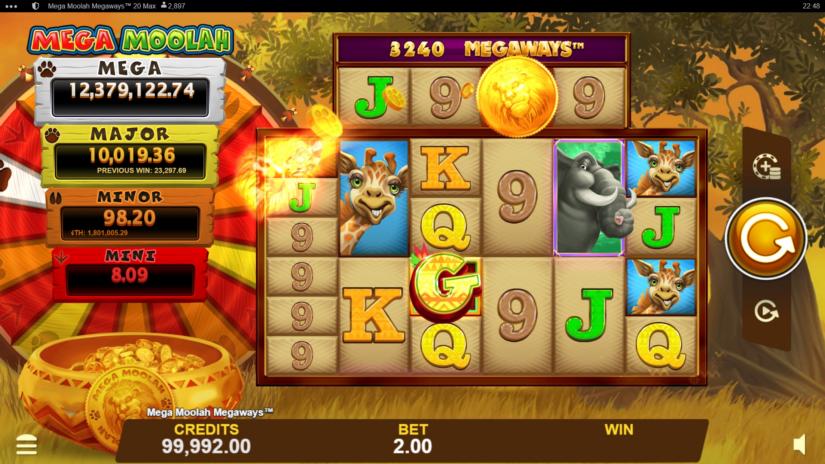
A seamless and safe banking experience is very important for anyone playing Mega Moolah. The banking choices your casino supports impact the whole experience: how easy it is to add money to your balance, how fast you can cash out, and how fast you can get back to going after that renowned jackpot. This guide walks through the typical banking options for Mega Moolah players. We’ll examine how they work, their security, and which one fits you best. Getting a handle on these details makes the whole process easier, from your initial deposit to claiming a massive win.
Protection should be your primary worry with any online transaction. Reliable casinos that host Mega Moolah use robust encryption, like SSL technology, to scramble your data as it travels. This ensures your personal and bank details confidential. The payment service you choose provides its own security too. Established e-wallets and card companies maintain their own anti-fraud systems. For you, this layered security means one less thing to worry about. You can focus on the game, confident your money is safe. Any platform that doesn’t consider security a priority isn’t worth your time.
To spin Mega Moolah’s reels, you have to put money in your casino account. Deposit options are built for speed, so your balance reflects right away. The common picks are debit cards from Visa and Mastercard, dependable and straightforward for most people. E-wallets like PayPal, Skrill, and Neteller act as a bridge between your bank and the casino, which often speeds things up. If you’d rather not use a card, direct bank services like Trustly or prepaid Paysafecard vouchers are common. Every method has its own minimum and maximum deposit amounts. Check these first to make sure they fit with what you plan to spend.
Debit cards are a default choice for online deposits because they are widely held and they’re user-friendly. To fund Mega Moolah play with Visa or Mastercard, you type in your card number, the amount, and the security code. The money usually transfers instantly, ready to play within seconds. This method works well if you enjoy a direct tie to your main bank account. Just remember, some banks block gambling transactions. A quick check with your card issuer can save hassle later. The familiar brand names and their customer protection policies keep these cards popular year after year.
E-wallets changed online payments by creating a digital middleman. With PayPal, Skrill, or Neteller, you hold money in an online account. You pay the casino from this account, so you aren’t constantly sharing your main bank details. This extra step improves your privacy and often leads to the quickest deposits available. For a Mega Moolah player, that’s reduced downtime and more playing. Deposits from an e-wallet are normally free for you and appear in the casino right away. These services also excel when you win, as withdrawals back to your e-wallet are usually speedier than to a bank. They’re a preferred choice if efficiency is your goal.
Deposits need to be fast, but withdrawals are about obtaining your money securely. This is especially the case after a win on a jackpot game like Mega Moolah. Casinos usually send your winnings back to the same option you used to deposit, a rule called reverse withdrawal. It’s a security measure to fight fraud. How long it takes varies by your choice. E-wallets can process in under a day. Debit cards might take a few business days. A direct bank transfer could extend to a week. Also, casinos must authenticate your identity before your first withdrawal. This ‘Know Your Customer’ check is mandatory and adds some time upfront. Knowing this timeline helps you plan after a big win.
You can’t withdraw, especially a large progressive jackpot, until the casino verifies who you are. This usual procedure means providing documents: a photo ID, something that proves your address, and sometimes a copy of your payment card. It might feel like a delay, but it’s a legal obligation that safeguards everyone involved. After the casino accepts your documents, they process the payout. The final speed depends on the payment method’s own systems. To avoid holdups on your Mega Moolah winnings, have your verification documents in order and provide them as soon as the casino requests.
The expense and caps of transactions are practical details you can’t ignore https://megamoolahcasino.co.uk/. The best casinos won’t charge you fees for deposits or withdrawals. However, the payment service itself might. A few e-wallets add a small fee for currency conversion. Certain bank transfers carry a fixed fee. It’s smart to review the conditions from the casino and your payment provider to prevent hidden charges. Restrictions are also crucial. Casinos impose minimum and maximum figures for deposits and withdrawals, per transaction, day, or month. These caps matter if you’re a high-stakes player aiming for the Mega Moolah jackpot, or if you need to collect a massive win all at once.
Selecting the best way to pay for Mega Moolah depends on your own priorities. If speed is everything, e-wallets are typically the fastest for both depositing and cashing out. If you like things simple and direct, a debit card is a dependable, familiar option. Players who are cautious about privacy often prefer e-wallets or prepaid vouchers. You also have to think about what’s available where you live and whether you’ll pay extra for currency conversion. The best move is to examine the specific payment terms at your chosen casino. Their policies will decide how smooth and affordable your money management will be.
Casino payments are constantly shifting, fueled by modern innovation and players wanting more convenience. Virtual coins like Bitcoin are emerging on some platforms, offering enhanced secrecy and occasionally smaller charges. Their price swings and unclear regulations are still hurdles for many. Phone-based transactions like Apple Pay and Google Pay are also increasing, letting you deposit with a single tap from your device. These movements suggest a tomorrow where managing funds for titles like Mega Moolah grows more efficient, speedier, and geared toward the customer. As these options gain more traction and sanctioned by governing bodies, they might establish a fresh benchmark for transferring gambling money, where swiftness and access are paramount.