- info@delta-biomechanics.com
- 5th Floor, Delta Health Care Chattogram Limited, 28, Mirzapul Road, Katalgonj, Panchlaish, Chittagong.

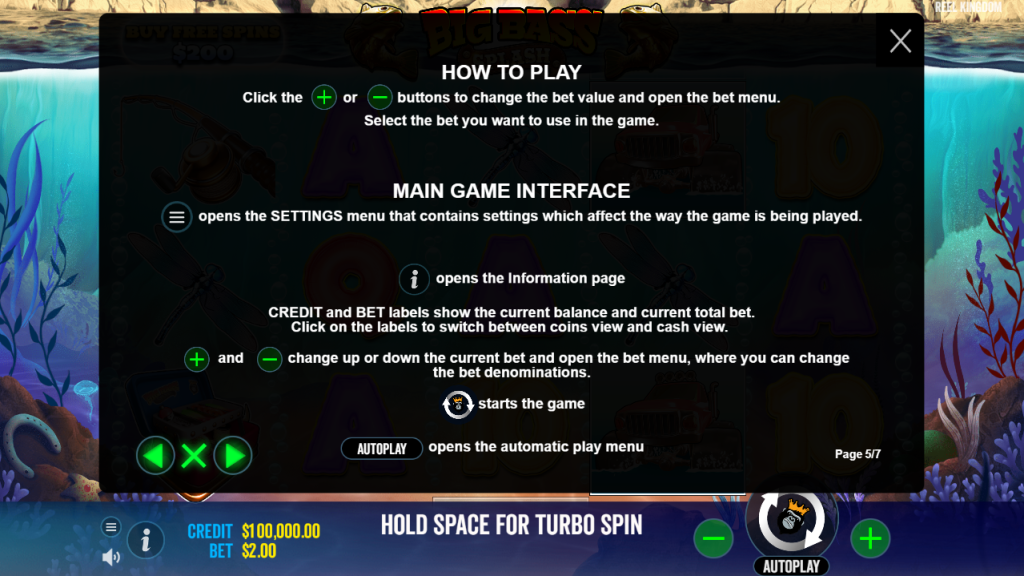
When we examine the landscape of online gaming in the United Kingdom, the quality assurance and game testing standards for the Big Bass Splash slot stand out as crucial big-basssplash.org. These processes guarantee that every aspect, from RNG to UI, meets stringent guidelines. By implementing these standards, we create an atmosphere of trust and fairness for gamers. However, this is just the beginning of understanding what truly secures a quality gaming experience.
When it comes to online gaming, we must recognize that quality assurance (QA) isn’t just a luxury; it’s a necessity. Effective QA processes enable us to ensure that players have a smooth experience in games like Big Bass Splash. We depend on user feedback to spot issues and areas for improvement, making it a crucial component of our testing methodologies. By actively gathering perspectives from players, we can fine-tune game mechanics and improve overall performance. Executing methodical testing methodologies, such as regression and functional testing, helps us uncover potential bugs before launch. This meticulous approach ensures we deliver a polished product, ultimately fostering trust and satisfaction among our gaming community. Quality assurance is our dedication to excellence, meeting player expectations and industry standards.
As we examine the key testing standards for slot games, it’s crucial to understand the foundational criteria that ensure a game’s integrity and player satisfaction. Our approach is centered around stringent testing methodologies and ensuring regulatory compliance across the board. Here are some fundamental standards we adhere to:
While ensuring the top quality in game testing, certification bodies play an essential role in upholding industry standards and nurturing player trust. Their involvement highlights the certification importance, as they evaluate games like Big Bass Splash against strict benchmarks. This process not only confirms the game’s integrity but also ensures that it meets regulatory compliance standards established by governing bodies. Players can feel confident knowing that certified games have passed extensive testing, reflecting fairness and transparency. These organizations examine various elements, from random number generators to return-to-player percentages, ensuring all aspects meet established guidelines. Ultimately, these certification bodies serve as protectors of quality, reinforcing the industry’s commitment to delivering trustworthy gaming experiences.
To guarantee that players fully enjoy the Big Bass Splash Slot experience, we must thoroughly examine its gameplay mechanics and user experience. This involves a in-depth analysis of game flow improvement and executing player immersion strategies.
To achieve this, we focus on:
After investigating the gameplay mechanics and user experience in Big Bass Splash Slot, it’s vital to turn our attention to another key aspect: guaranteeing fair play and randomness. Integrity in gaming is essential, and that’s why we must implement fair algorithms. These algorithms guarantee each spin’s outcome is autonomous and unforeseeable, reducing the risk of manipulation. Additionally, to bolster confidence in fairness, we conduct random audits on both the software and the gameplay outcomes. Through these audits, we verify the effectiveness of our algorithms and guarantee compliance with regulatory standards. By emphasizing transparency and complying with strict protocols, we build a gaming environment where players can enjoy Big Bass Splash Slot, confident in the fairness of their gaming experience.
When it comes to game testers’ qualifications, we consider that essential game development skills and understanding with testing methodologies are important. They help guarantee thorough evaluations and enhance greatly to the overall gaming experience and quality.
We often find that slot games go through testing evaluation at least annually. However, specific regulations can require slot game frequency, causing more frequent assessments, especially if notable updates or player feedback necessitate adjustments for quality assurance.
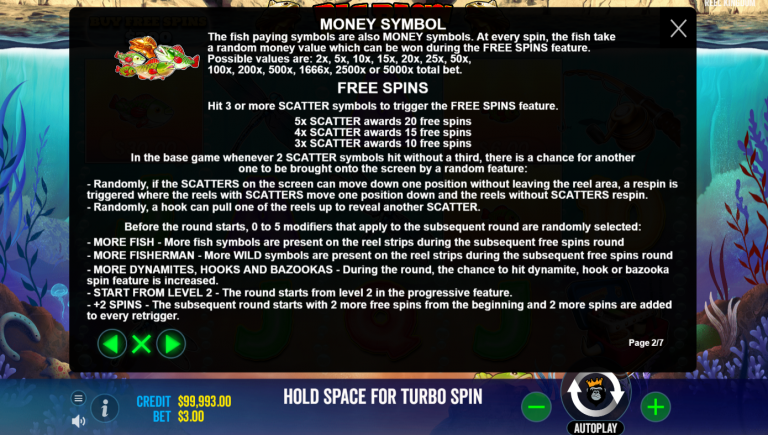
When we test games, we commonly use tools like game simulation software for authentic scenarios and bug tracking systems to track issues effectively. These resources help assure a thorough evaluation and improve overall gameplay quality.
Indeed, we include player feedback surveys as part of our quality assurance process. Analyzing this feedback permits us to improve player experience in a structured manner, ensuring that our games meet expectations and consistently advance based on actionable recommendations.
When we review game update protocols, we see they demand testing frequency adjustments. Regular updates require us to adapt our testing procedures, ensuring new features merge smoothly while maintaining overall gameplay standard and stability for players.