- info@delta-biomechanics.com
- 5th Floor, Delta Health Care Chattogram Limited, 28, Mirzapul Road, Katalgonj, Panchlaish, Chittagong.

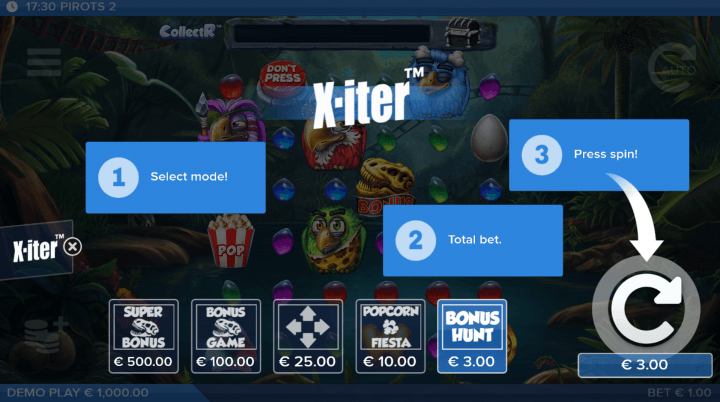
Managing how clients transition between treatments is among the most challenging jobs for a UK spa or salon. The goal is straightforward: keep therapists busy, but never let a guest feel pressed or neglected in a waiting room. That period between bookings is not just empty space. It’s a vital part of how a client perceives their day. We’re looking at the common scheduling mistakes that create bottlenecks, and how tools like the Pirots 5 Slot system are built to fix them. The UK market has distinct demands. Clients here expect both impeccable efficiency and genuine, unhurried relaxation. Getting this balance correct means intelligent booking tools have shifted from being a nice-to-have to a core part of running a sustainable, reputable business.
The Pirots 5 Slot method addresses this by splitting the spa day into specific, manageable blocks. This is not just a digital calendar; it’s a alternative way of viewing time. The system requires you to deliberately assign minutes for the treatment itself, for rearranging the room, and for moving the client along. By making these slots explicit, it eliminates the guesswork that causes double bookings or frantic, empty gaps. For management, the day’s capacity turns into something visual and easy to measure. For therapists, it establishes a predictable pace, lowering stress and allowing them to concentrate on the person in front of them. The structure integrates essential breathing room, turning chaotic downtime into a planned part of the service.
Transitioning to a structured slot system demands a strategic approach. Begin with a thorough audit of your existing treatment times, covering how long it really takes to prepare a room. This data is the basis for determining your slot lengths. Then, train your team. Every staff member must get the thinking behind the change—not as a constraining rule, but as a instrument to decrease their own stress and improve the client’s visit. Introduce it in phases. Maybe trying busy Saturdays or just with popular treatment combinations. Leverage the analytics in any decent system to check performance each week, fine-tuning slot lengths as you gain experience. You will meet some resistance, that’s normal. Emphasizing the decrease in last-minute room rushes and client complaints usually persuades people over. The key is to position the system as the team’s assistant for providing great service, not as a controlling tool.
Achieving success depends on picking a system that aligns well with your current workflows. The technology should seem natural, demanding little effort for everyday operations, and robust enough to handle combined packages and allocating therapists. For UK spas, how it handles data must adhere to GDPR, without exception. Employee training is the personal element of this system upgrade. Engage your team in selecting the software; their buy-in is critical. Conduct training sessions that act out various scenarios—from a individual treatment to a intricate bridal party booking. Tackle worries directly. Therapists could assume the system will be too rigid, but in practice, it safeguards their time and assures they won’t feel pressured by a pile-up. The goal is to have the technology blend into the background, so staff can concentrate on the human side of care.
For a person visiting a UK spa, a organized slot system results in a effortless, respectful, and luxurious day. That nagging worry about “what happens next?” vanishes. After a treatment, instead of being left to wander, a client is gently guided—maybe to the relaxation lounge for a scheduled herbal tea before their next therapist shows up right on time. This managed flow demonstrates consideration for the client’s time, a value greatly cherished in UK culture, while also enhancing their sense of being attended to. The entire day feels purposefully en.wikipedia.org structured, not arbitrary. It also lets spas to create perceived value; a planned transition can be framed as a “breathing space,” turning possible dead time into an integral part of the wellness journey. This extent of orchestration is exactly what reinforces the exclusive image many UK spas target.
One significant benefit of a platform like Pirots 5 Slot is how it allows front-line staff to interact with complete confidence. At the booking stage, an consultant can lay out the day explicitly: “Your facial will conclude at 2:15, and you’ll have a fifteen-minute break before your massage begins at 2:30 in the room next door.” This establishes a clear expectation. On the day, therapists can echo this, thanking the client and directing them to the next step. Unambiguous, consistent communication prevents the annoyance that arises from uncertainty. In a service culture where “winging it” isn’t good enough, this competence builds real trust. Clients believe they’re in competent hands, which is the basis of faithfulness and positive word-of-mouth, especially in local communities and on review sites.
Question any spa manager, and they’ll tell you the interval between sessions is a persistent issue. From an operational standpoint, this gap needs to cover a lot: tidying the room, setting up the therapist, and handling any overtime from the prior treatment. But allow it to extend too much, and the guest in their robe starts glancing at the clock, feeling their precious time off evaporating. Without a defined guideline, these intervals become messy and unpredictable. One customer might be pushed straight in, forcing the therapist to rush. Another could be left for twenty minutes, having lukewarm water and growing frustrated. This inconsistency impacts the profit twofold. Remunerating a therapist with no booking is a direct cost. A dissatisfied customer might not revisit and will probably mention it online. Common treatment packages, such as a massage then a facial, make it more difficult, necessitating a careful coordination between different staff and rooms.
The financial blow from bad scheduling comes in two clear waves pirots5.eu.com. Check the crunchbase.com accounts and you will notice the first loss: income from idle resources. A therapist without a booking is a fixed expense generating no income. Small daily pockets of idle time accumulate to a significant annual amount. Then there is the second loss: losing clients. A customer whose experience feels disjointed and full of pauses is less inclined to reserve again. They may mention the disconnected experience to friends or on a review site, which can put off new business. Across the UK, expenditure on wellness is a conscious decision. Customers consider their time as part of the luxury they are acquiring. Squandering it feels like violating a commitment, and tolerance for this is lower than with a basic, fast haircut.
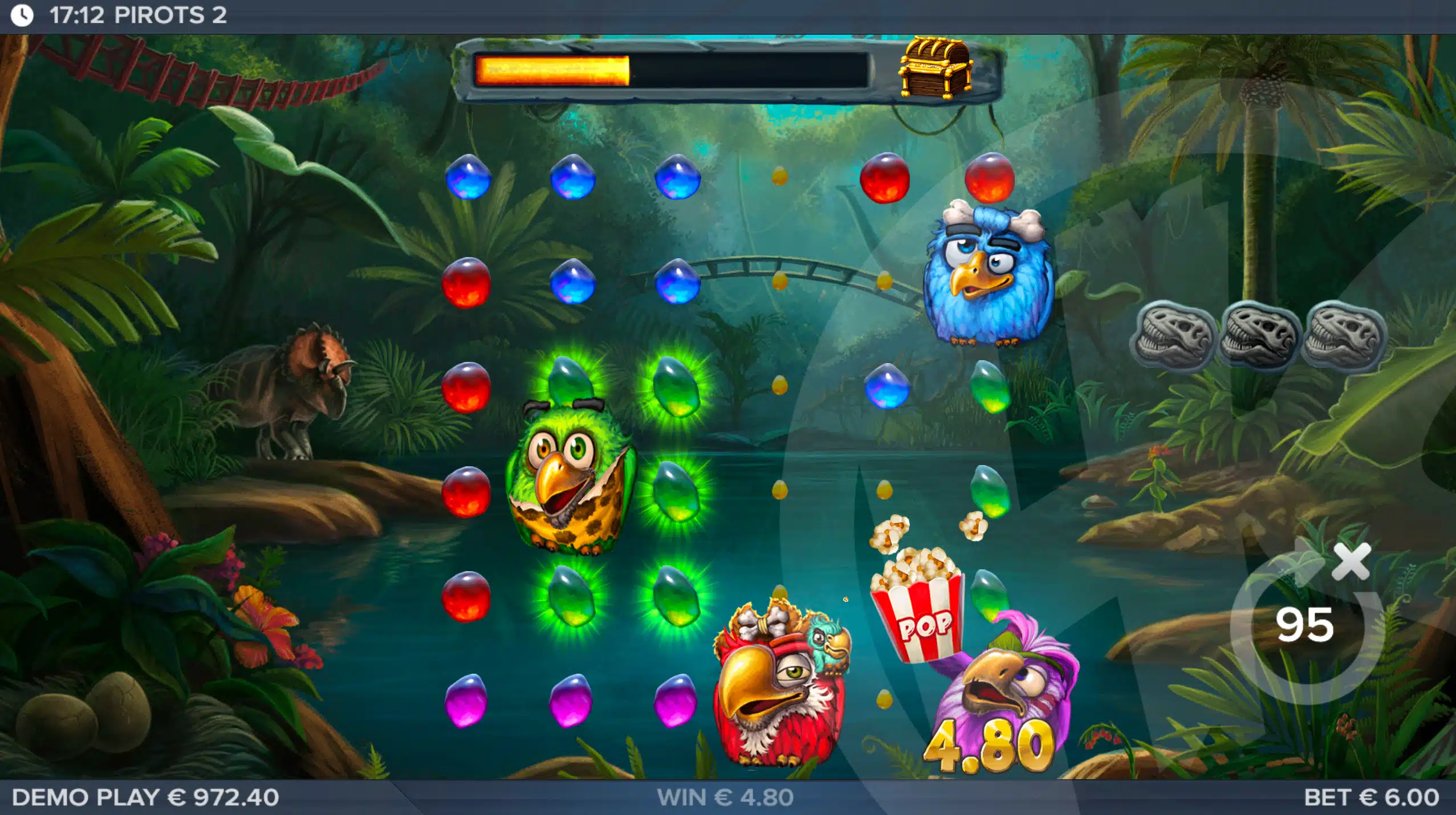
There’s no single absolute number, but a planned interval of 10 to 20 minutes usually works best. This provides enough time to rearrange the room, prep the therapist, and move the client along without keeping them delayed. The Pirots 5 Slot system seamlessly builds this buffer into the schedule, maintaining it consistent. This window shows respect for the client’s own schedule while maintaining the operational wheels turning, a balance that counts in the UK where people value both efficiency and relaxation.
It eliminates waiting that results from bad scheduling. Fixed slots with built-in buffers ensure the room and therapist are ready exactly when the client is. The system shows the entire day’s flow on screen, which avoids double-bookings and overruns that cause queues. Clients experience a pre-planned journey, moving from one point to the next without unexpected, boring gaps. This changes their whole perception of the service.
Yes. A proper slot-based system is made for complexity. It can link treatments into a package, booking consecutive slots for one client across different rooms and therapists. It can also align start times for a group arrival. This addresses the logistics of coordinating multiple people and spaces, guaranteeing a group has a coordinated experience without overwhelming the staff. This is a frequent need for UK spa breaks and group gifts.
Some might at first, but most come to see it as a benefit. The structure removes the stress of unclear timelines and back-to-back appointments running late. Therapists know exactly when they start and finish, which lets them give full attention to each client. It protects their time, cuts down on the fatigue that comes from rushing, and boosts job satisfaction by helping them do better work.
Done well, it improves both. By removing idle therapist time and chaotic gaps, you optimise your main asset: booked therapist hours. Seeing available slots clearly also helps reception cover last-minute cancellations. On top of that, the better client experience encourages repeat visits and personal recommendations, which directly lifts revenue through customer retention.
Without a doubt. Smaller businesses often profit even more, because they lack a big management team to manually untangle complicated schedules. A system like this delivers organisation you’d find in a big chain to a single-site business, cutting admin work and owner anxiety. It helps small spas contend on professionalism and client experience, which is how they distinguish themselves in a crowded UK market.

Conduct a detailed time audit of your current operation. Clock everything: actual treatment durations, how long it takes to turn a room over, and where delays usually occur. This information is vital for setting your slot lengths accurately. Then, consider systems that are easy to use and come with solid support. Start with a trial on specific days or services to iron out the kinks before going live everywhere. This develops the team’s confidence.