- info@delta-biomechanics.com
- 5th Floor, Delta Health Care Chattogram Limited, 28, Mirzapul Road, Katalgonj, Panchlaish, Chittagong.

The corporate conference has changed. It is no longer a agenda packed with non-stop talks. Today’s events concentrate on interaction, socializing, and giving attendees a mental breather. Across the UK’s corporate event arena, a new answer for boosting participation and relaxation is gathering ground: the Space Xy Game. This space-themed gaming idea is turning coffee breaks and networking slots into vibrant, remarkable highlights. Event planners who employ it report higher participant satisfaction, better connections between peers, and a significant lift in the room’s vibe. Here, we examine at how to tactically use Space XY Game events, outlining their structure, benefits, and the logistical details for conferences in the UK.
UK corporate culture has adopted experiences that go beyond standard ice-breakers or simply watching a show. Professionals with little time want activities that are intelligent, inclusive, and actually beneficial. Gamified networking fits perfectly. It uses structured play to spark natural conversation. Space XY Game fills this role with a thematic, cooperative environment that works as both entertainment and a tool. Its space exploration story demands teamwork, strategy, and communication. This turns break time directly into productive relationship-building. The trend shows a wider recognition: the most useful parts of a conference often happen between the scheduled sessions. Designing these moments is now central to a successful event.
Standard conference breaks often result in poor engagement. Attendees frequently check their phones, catch up on work emails, or huddle with people they already know. This limits networking and stalls the event’s momentum. The atmosphere can grow flat, and that low energy spills into the next presentation. For organisers who have spent heavily on speakers and a venue, this is a missed opportunity. The real task is to design an interlude so engaging it pulls people away from their screens and into a shared activity. This approach maximises the return on investment for every attendee and sponsor in the room.
Space XY Game tackles these problems with a central, goal-driven activity. It gives everyone a common topic more interesting than the weather or the last speaker. The game’s design forces mixing, as players assemble crews to finish missions. This playful structure takes away the awkwardness of starting a chat with a stranger. For UK audiences, who can be reserved in purely social settings, the game works as a social catalyst. It starts conversations that often continue after the game ends, lasting through the rest of the conference.
Incorporating Space XY Game to a conference agenda pays off in obvious ways. Organisers experience higher event Net Promoter Scores (NPS) and better post-event feedback. People remember unique experiences long after they overlook a standard coffee break. This edge matters in the competitive market for high-quality corporate events. The activity also generates ready-made social media content. Participants post photos and videos of their team’s efforts, which promotes the conference and its sponsors organically. The boost in energy is real, producing more alert audiences in the sessions that follow.
Delegates obtain concrete benefits, too. The activity builds meaningful connections in a relaxed setting, growing professional networks with a shared story. It serves as a mental reset, refreshing the brain through a different kind of challenge. This can enhance how well people retain information later in the day. It also makes networking more democratic. Junior staff and senior executives collaborate as equals inside the game, reducing the hierarchical barriers that can limit interaction. This promotes a more inclusive and open conference culture.
A smooth rollout needs detailed planning suited to UK venues, from traditional London venues to contemporary conference venues in Manchester. Planners must account for space, technology, and sound. A separate zone away from the primary catering line works best to avoid congestion. The Space XY Game provider usually brings all equipment, from high-spec gaming PCs and large monitors to specialised controls. This delivers a professional appearance. Crucially, the game’s story and visuals can be personalised. Mission goals, team names, and graphics can incorporate the conference theme, sponsor logos, or industry jargon. This renders the event feel more integrated and exclusive.
A business Space XY Game event is designed to slot into typical conference agendas, like a 45-minute lunch break or an evening gathering. The basic setup uses several gaming terminals or one large setup, depending on crowd count and venue. People assemble small teams and start a shared mission—maybe to “navigate an asteroid field” or “solve a planetary resource crisis.” The rules are simple to grasp quickly, so executives and professionals from any sector can take part without difficulty. Winning needs logical problem-solving, swift choices, and team debate. These are the same skills prized in the business world.
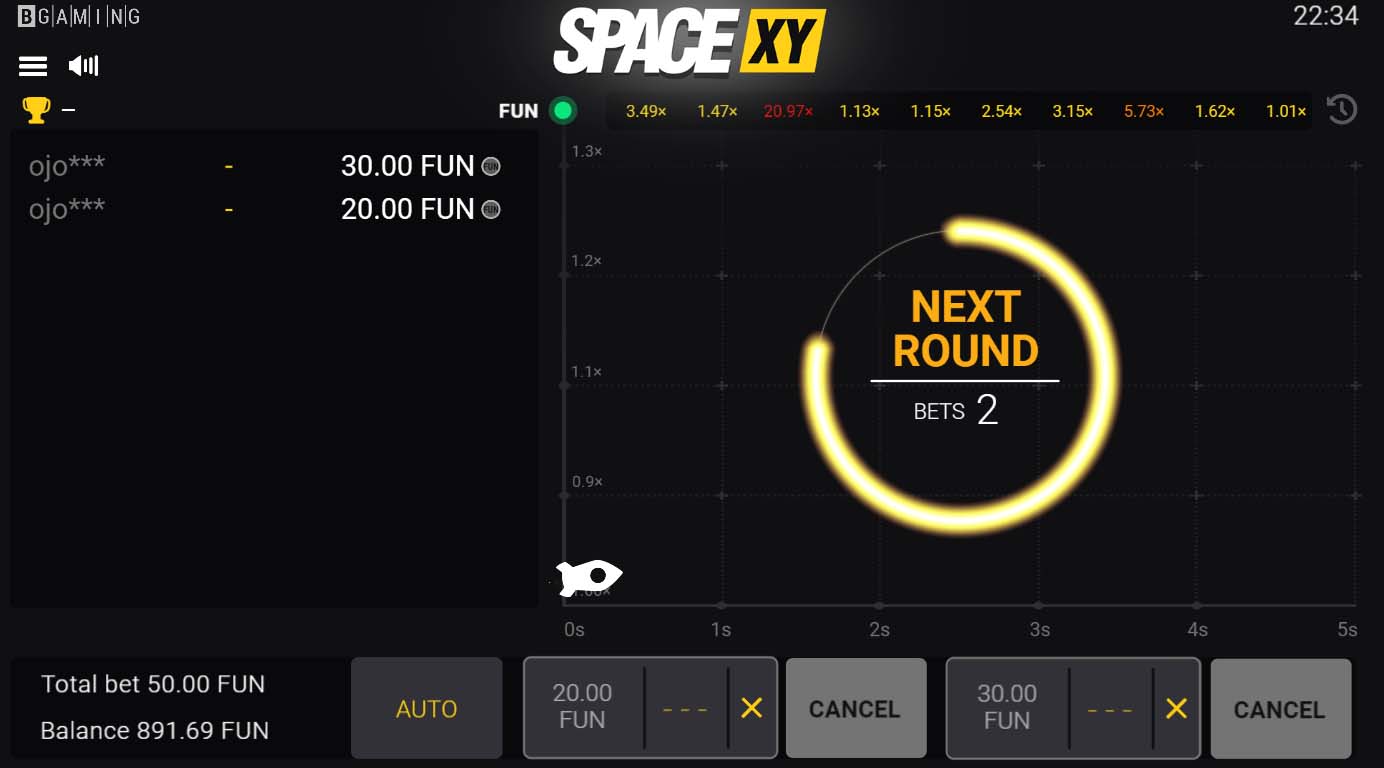
Planners have various options for break activities. Conventional choices include keynote speakers (which provide little interaction), generic photo booths (which are without strategic depth), or simple drinks receptions (which rely entirely on attendee motivation). Newer alternatives might be VR experiences or live polls. Space XY Game is distinct because it harmonizes key factors. It is highly interactive but not isolating. It uses technology without being intimidating. It has competition but highlights cooperation. Unlike VR, it allows for natural eye contact and group talk. Relative to passive entertainment, it creates a shared story and sense of achievement. This balance makes it a adaptable choice for many industries, from fintech and engineering to healthcare and professional services.

A fresh example from a London technology summit for 300 people illustrates the impact. The organisers scheduled the game in the post-lunch “energy dip” period. Teams of six were assembled using a pre-event app that matched attendees by complementary professional interests. The 50-minute session reached a 95% participation rate. Feedback later called it the best networking chance of the two-day event. Survey data showed a 40% rise in connections made per delegate compared to the previous year’s traditional format. The social media activity created over 500 tagged posts and stories using the event hashtag, greatly broadening its reach. The organisers stated the activity improved attendance in the following afternoon sessions, as delegates remained within the venue instead of leaving.
The next phase for conference break offerings like Space XY Game will focus on customisation and data. Future versions could employ artificial intelligence to change mission difficulty according to a team’s performance, or to generate unique story paths for different groups. Linking with wearable event badges might assemble teams based on real-time location and shared interests, keeping networking more relevant. The UK market, known for both tech adoption and high-end corporate hospitality, will demand these experiences to be more than just fun. They will need to support professional development goals. The Space XY Game framework can adapt to these advances. For event planners who want to keep enhancing the delegate experience, it represents a sound long-term investment.